A Comprehensive Guide to Mastering Drywall Repair Work and Installment
This overview provides a comprehensive expedition of drywall repair and installment, accommodating both novices and experienced specialists. It describes necessary tools, strategies for patching and hanging sheets, and the critical finishing procedures. drywall contractors. By comprehending usual challenges, individuals can accomplish sleek results. Understanding these skills not just boosts one's home yet likewise builds self-confidence in do it yourself endeavors. What foundational tips will ensure a successful job from beginning to end?
Essential Tools for Drywall Repair and Installment
When starting on drywall fixing and installation, a couple of crucial devices can significantly improve the effectiveness and high quality of the work. A drywall blade, usually available in different dimensions, is important for using joint compound and smoothing seams. A taping knife is additionally necessary for feathering sides and making certain a seamless coating. Additionally, a drywall saw or energy blade allows for precise cutting of drywall sheets to fit any room.
Step-by-Step Guide to Patching Holes
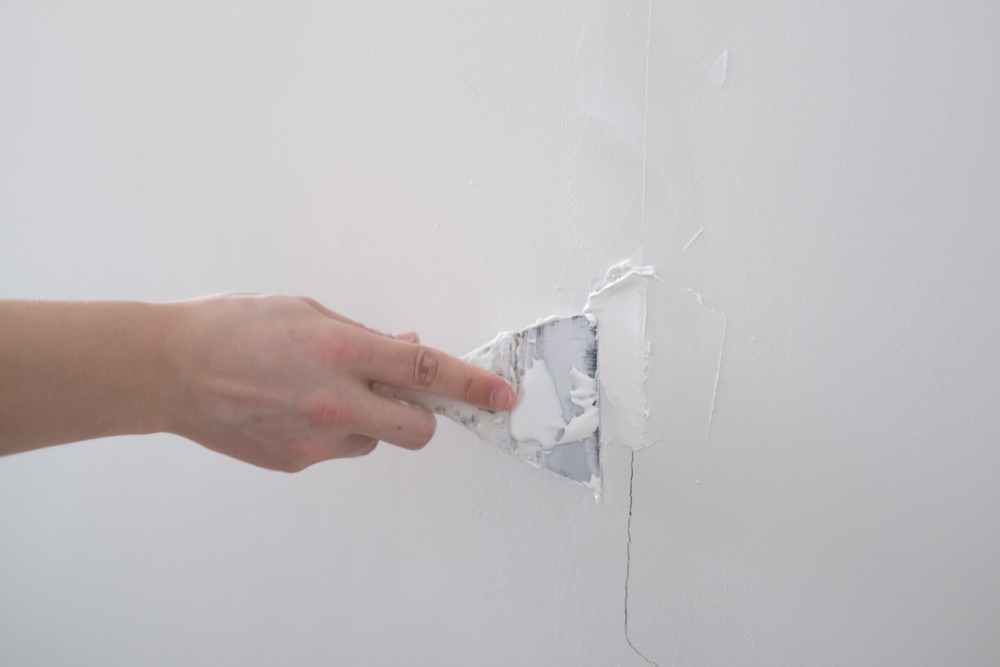
Patching holes in drywall is a straightforward procedure that can recover the wall surface's appearance and stability. To begin, the location around the opening should be cleaned up and any type of loose particles eliminated. For small holes, a basic spackle or joint substance can be applied with a putty knife. Larger holes might call for a spot; an item of drywall can be cut to fit the hole, safeguarded with adhesive or screws, and after that taped around the sides. Once the spot is in location, joint substance is used over the spot and feathery bent on blend with the surrounding wall surface. After the compound dries, sanding is required to accomplish a smooth finish. The fixed area can be keyed and painted to match the remainder of the wall. This technique guarantees a seamless repair, enhancing the total appearance of the drywall and maintaining its structural stability.
Techniques for Hanging Drywall Sheets
After effectively fixing holes in drywall, the next step includes hanging new drywall sheets to develop a smooth surface area. To accomplish this, one have to start by measuring the wall surface room accurately and reducing the drywall sheets to fit. It is crucial to hang the sheets horizontally for much better architectural stability, beginning with the top and working downwards.
Using a drywall lift can simplify the procedure, especially for ceiling setups. When positioned, securing the sheets with drywall screws at intervals of regarding 12 inches along the sides and 16 inches in the field is vital. This guarantees a solid hold and reduces the threat of drooping. For corners, the sheets need to be reduced to fit well, permitting for cleaner joints. It is recommended to stagger the joints in between sheets to strengthen the total framework, producing a much more resilient coating prepared for the next stage in the drywall installation procedure.
Completing Touches: Taping and Mudding
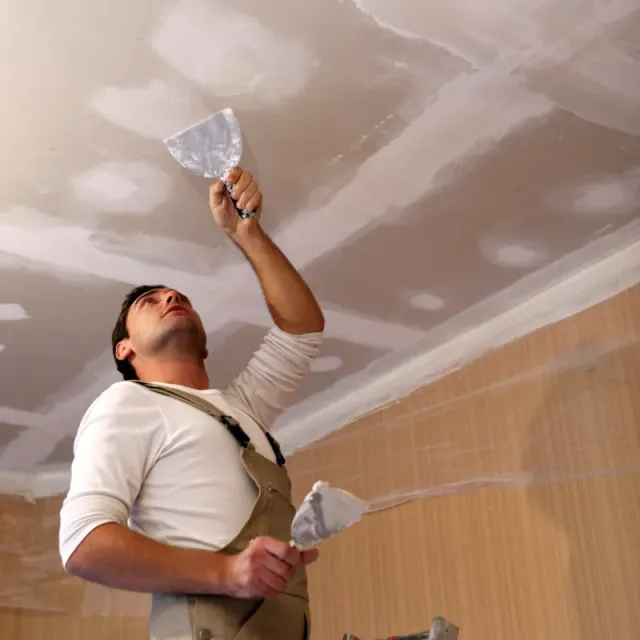
Finishing the drywall setup entails the important steps of taping and mudding, which ensure a smooth and sleek coating. Insulation calls for the application of joint tape over the seams between drywall sheets. drywall contractor. This tape can be either paper or fiberglass fit together, with each kind offering one-of-a-kind advantages. After taping, the next step is mudding, where joint substance, or "mud," is put on cover the tape and fill any type of blemishes
Utilizing a drywall blade, the compound should be spread out equally, ensuring check out here a feathered edge to lessen visible changes. Several coats are frequently required, with fining sand in between each layer to achieve a smooth surface area. Mindful focus during this process is crucial, as it greatly influences the last look of the Your Domain Name wall. With the right method and perseverance, completion result will certainly be a perfect structure all set for paint or ending up touches.
Typical Blunders to Stay Clear Of in Drywall Projects
Another common blunder is not allowing adequate drying out time in between coats, which can catch wetness and compromise the coating. Disregarding to feather the edges correctly can produce visible lines and flaws. Finally, missing sanding or using incorrect methods might leave harsh spots. By knowing these pitfalls, individuals can substantially improve the high quality of their drywall jobs and achieve a professional-looking surface.
Regularly Asked Questions
Can I Repair Drywall Without Specialist Help?
Yes, one can fix drywall without expert help. With the right tools, products, and support, individuals can efficiently take care of minor repair services. Considerable damages might call for specialist experience for perfect outcomes and durability.
The Length Of Time Does Drywall Substance Take to Dry?
Drywall substance generally takes between 24 to 48 hours to dry entirely, relying on aspects such as humidity and temperature level. Thinner layers might dry quicker, while thicker applications require even more time for suitable outcomes.
What's the very best Kind of Paint for Drywall?
The most effective kind of paint for drywall is normally a water-based latex paint. It gives outstanding coverage, longevity, and simplicity of application, making it optimal for interior walls while enabling for simple clean-up with soap and water.
How Do I Avoid Mold And Mildew on Drywall?
To avoid mold on drywall, assurance appropriate air flow, control humidity degrees, make use of mold-resistant materials, and immediately attend to any type of leaks. Regular inspections and immediate remediation of water damage are also vital for lasting prevention.
Is Drywall Recyclable After Removal?
Drywall is recyclable after removal, provided it is totally free read from contaminants like mold, paint, or various other hazardous materials. Recycling facilities can refine it right into brand-new products, promoting sustainability and reducing garbage dump waste in building and construction.
When starting on drywall repair service and setup, a few important devices can greatly enhance the efficiency and high quality of the work. After efficiently fixing openings in drywall, the next step involves hanging brand-new drywall sheets to develop a seamless surface area. Completing the drywall setup entails the important actions of mudding and taping, which ensure a smooth and polished coating. Attaining a sleek coating in drywall projects can be tough, and numerous common mistakes can threaten the quality of the job. Yes, one can fix drywall without expert assistance.